Overview mosquito control services for residential and commercial properties
Overview mosquito control services for residential and commercial properties
Blog Article
Proven mosquito control in Canada begins with a clear view at how mosquitoes live, where they breed, and when they become active. A few bites during an outdoor meal may seem minor, but repeated exposure can affect comfort and create health concerns, including diseases such as West Nile virus.
Homes and businesses also deal with different issues. Residential mosquito control often focuses on backyards, patios, gardens, children, and pets. Commercial mosquito control must account for employees, customers, outdoor events, drainage, and public use of the property. A practical plan includes mosquito prevention, targeted mosquito treatment, property maintenance, and safe professional application.
Learning About Mosquito Problems in Canada
The mosquito life cycle has four stages: eggs, larval stage, pupal stage, and adult mosquitoes. Most mosquitoes depend on standing water for the early stages. Eggs develop into larvae, often called wrigglers, which eat and grow below the water’s surface. After the pupal stage, adult mosquitoes come out and begin seeking food and shelter.
The mosquito species found in Canada differ with habitat and weather. Common groups cover the Culex, Aedes, and Anopheles genera. Some species prefer containers around homes. Others grow in wetlands, ditches, tree holes, or temporary pools. Their behaviour also changes. Some feed in daylight, while others are most active in the evening and early morning.
Mosquito breeding sites can be smaller than expected. A blocked gutter, tipped planter, children’s toy, or poorly maintained rain barrel may hold enough water for larvae to develop. Larger breeding grounds include ponds, ditches, drainage areas, and wet sections of commercial grounds.
The mosquito season is affected by temperature, rainfall, and local conditions. In many parts of Canada, activity starts in spring, increases through the warmer months, and falls when temperatures fall. A mosquito infestation may remain active near sheltered water or heated structures even when outdoor activity starts to drop.
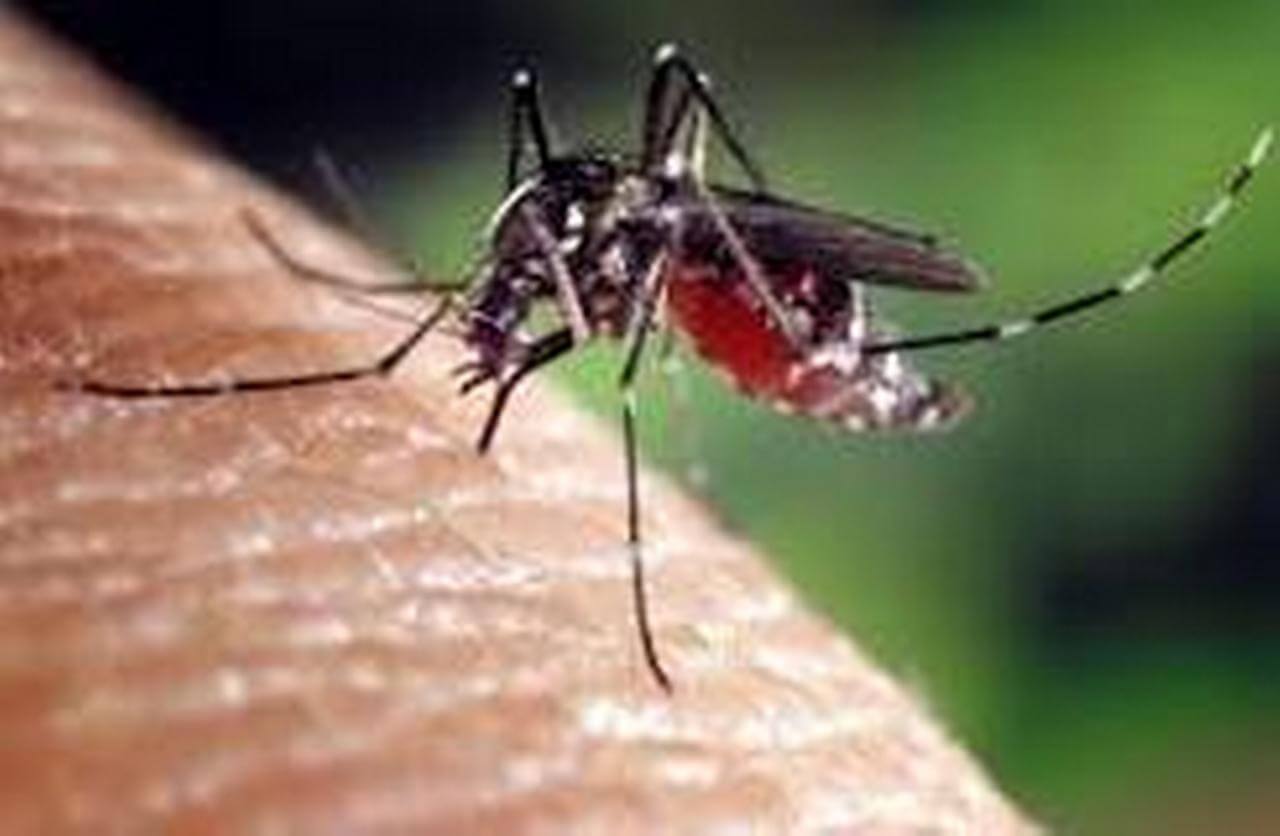
When Mosquitoes Are Most Active
Hot conditions accelerate mosquito development. When temperatures remain high, eggs can hatch quickly and adult mosquitoes can go through their life cycle in a shorter period. Heavy rain may add new breeding sites, while dry periods can reduce activity if water sources dry up.
Early morning and evening are usual busy periods for mosquito activity. Low wind, shade, and cooler air can make these times attractive to many species. Some mosquitoes remain active during the day, especially in darkened garden areas, wooded areas, and sites with high humidity.
Humidity supports adult mosquitoes survive. Damp vegetation, dense shrubs, and areas protected from wind can provide sheltered spots between feeding periods. Seasonal mosquito activity often grows after a warm stretch with regular rain, then remains high while water and shelter are accessible.
Schedule outdoor activities with these conditions in mind. Wear suitable clothing, improve outdoor protection, and check for water after rain. If bites continue across a property despite these steps, a professional assessment may find hidden breeding sites or areas that need mosquito management.
Mosquito Control for Residential Properties
Residential mosquito control should match how you use your property. A backyard used for children’s play requires a specific service from a garden used for occasional visits. Patios, decks, play areas, pools, hedges, and shaded fences may all need treatment.
Begin with yard mosquito control. Remove water-holding items, trim dense vegetation, and improve drainage where practical. Keep grass and weeds trimmed, especially beside structures and seating areas. These actions reduce shelter and mosquito breeding sites before treatment begins.
A residential treatment plan may include a property inspection, source reduction, barrier treatment, and scheduled follow-up visits. The treatment frequency depends on weather, vegetation, mosquito pressure, and the length of the outdoor season. Ask whether the service is designed for residential property protection rather than a one-time spray alone.
Children and pets need particular attention. Keep them away from treated areas until the product label’s re-entry instructions allow access. Store personal mosquito repellents safely, and follow product instructions for age limits, application areas, and washing after outdoor use.

Eliminating Standing Water Around the Home
Standing water is one of the first things to address. Inspect the property after rain and repeat the check every few days during warm weather. Small containers can support larvae even when they hold only a shallow amount of water.
- Clear and scrub birdbaths regularly. If possible, refresh the water at least once a week.
- Keep rain barrels covered with a secure, fine screen. Repair gaps around lids and openings.
- Clear gutters and downspouts so water flows away from the building.
- Empty plant saucers, buckets, children’s toys, wheelbarrows, and outdoor furniture that can collect rain.
- Fix outdoor taps, hoses, and irrigation leaks that create damp areas.
- Check pool covers, drains, low spots, and decorative features for stagnant water.
Some water sources cannot be removed. A drainage basin, pond, or permanent feature may require a professional recommendation. Never add a product to water unless its label permits that use and the application follows applicable rules.
Defending Outdoor Recreation Areas
Screening is a helpful initial measure for porches, gazebos, and covered seating areas. Repair small holes and make sure doors close fully. Outdoor lighting can also change comfort. Use lighting units that bring in fewer insects and keep lights away from entrances where practical.
Individual protection still matters. Long-sleeved shirts, full-length trousers, socks, and repellent products can limit contact. Put on repellent according to the label, and never apply a product on children unless the instructions say it is safe. Clean treated skin after time outside and place products safely away.
Mosquito barriers can cover key areas such as patios, play spaces, and entrances. A professional may administer a targeted barrier treatment to foliage and sheltered surfaces where adult mosquitoes settle. Avoid treating flowering plants or water features unless the product and label specifically allow it.
Mosquito Control for Commercial Properties
Commercial mosquito management must maintain pleasant, secure use of the entire site. Commercial grounds may include planted entrances, patios, athletic areas, accommodation spaces, loading areas, drainage features, and event spaces. Each zone can have unique exposure and maintenance needs.
Employees and customers may spend extended time outdoors. Mosquitoes can affect staff comfort, customer experience, and participation in outdoor events. A commercial property protection plan should account for operating hours, public access, landscaped areas, waste storage, irrigation, and nearby water sources.
Property management teams should keep records of inspections, applications, weather conditions, complaints, and follow-up work. This information helps spot patterns. It can also support a pest management plan that coordinates landscaping, drainage work, sanitation, and professional treatment.
Outdoor events require well-planned timing. Event planners should confirm treatment windows, re-entry requirements, food protection steps, and communication plans before guests arrive. Mosquito Man is one business name that property owners may encounter when researching mosquito services. Ask every provider for clear details about the work proposed.
Commercial Mosquito Risk Assessment
A site inspection should begin with a walk around the full property. A technician checks shaded vegetation, drains, low areas, irrigation systems, waste containers, roof lines, and areas where water collects. The inspection should cover both public spaces and service areas.
Drainage issues deserve careful attention. Blocked drains, uneven paving, poor grading, and leaking irrigation can create recurring wet spots. Fixing these conditions may lower mosquito pressure more effectively than repeated treatment alone.
High-traffic areas need careful planning. Entrances, patios, employee break areas, play spaces, and event zones may require a different application schedule from low-use sections. Breeding-site identification should also include areas outside the main customer zone if mosquitoes can move onto the property.
Specialized Mosquito Control Techniques
Barrier applications focus on adult mosquitoes in their resting areas. A certified technician may treat suitable foliage, shaded structures, and perimeter areas. The outcome can vary with weather, vegetation, mosquito species, and whether new adults arrive from untreated areas.
Larvicide treats larvae in water that cannot be removed. It may be used for selected drains, ponds, basins, or other approved water sites. Larvicide is not a substitute for source reduction. The product label must allow the specific use, and application must protect people, pets, wildlife, and water quality.
Adult mosquito treatment controls active adult mosquitoes. A professional application may provide temporary relief in targeted areas, but wind, rain, plant growth, and new mosquito emergence can change results. Ask how long the expected effect may last and what ongoing service is needed.
Integrated pest management uses inspection, prevention, monitoring, source reduction, and targeted treatment. This approach avoids relying on one method. It targets the cause of the problem while using products only where they serve a clear purpose.
How Professional Mosquito Control Services Work
The process often starts with a property inspection. The technician checks mosquito activity, water sources, vegetation, drainage, use patterns, and any concerns about children, pets, wildlife, or sensitive areas.
The provider then prepares a custom treatment plan. It should describe the areas included, products or methods proposed, preparation steps, application limits, safety measures, and expected treatment frequency. Residential and commercial plans should not be identical because their access, size, and use patterns vary.
An application schedule may include an initial visit followed by seasonal treatment. The schedule should allow for rain, wind, temperature, events, business hours, and periods when residents use outdoor spaces. Some properties need infrequent visits. Others benefit from recurring service during peak activity.
Follow-up visits track mosquito reduction. The technician may inspect treated zones, review new breeding sites, adjust the plan, and recommend repairs or water removal. Ask how you can report ongoing activity and what happens if conditions change after heavy rain.
Mosquito Treatment Safety for People, Pets, and the Environment
Safe treatment starts with product labels. Labels show where a product may be used, how it should be applied, required protective equipment, storage rules, environmental restrictions, and re-entry instructions. A professional should describe these points in plain language before treatment.
Read and follow re-entry instructions exactly. People and pets may need to leave the area during application and remain away until treated surfaces are dry or the stated time has passed. Put away or cover outdoor food, toys, dishes, and pet items as directed.
Pet safety depends on the product, the animal, and the exposure route. Keep dogs, cats, birds, fish, and other animals away from treatment areas according to the instructions. Protect ponds, streams, pollinator gardens, and vegetable beds from unintended exposure.
Environmental precautions include preventing drift, avoiding unnecessary water treatment, protecting flowering plants, and managing containers that can collect runoff. Disease prevention and comfort should be balanced with environmental safety. A focused professional application is preferable to treating every surface without a clear reason.
Choosing a Mosquito Control Service
Look for licensed pest control professionals who can explain their training, treatment methods, and safety process. Licensing requirements vary by jurisdiction, so ask what authorization applies to the work being offered.
Technician training matters. The person performing the service should know how to identify mosquito breeding sites, read product labels, protect sensitive areas, and adjust applications for weather and site conditions.
Treatment transparency should be part of the agreement. Request written information about the areas treated, application schedule, preparation steps, re-entry rules, products used, and limits of service. Avoid providers who make disease claims or promise total elimination.
Service guarantees differ. Ask what a guarantee covers, how long it lasts, whether follow-up visits have conditions, and whether weather or new breeding sites affect the check out this site commitment. Clear answers make it easier to compare service plans.
When to Plan Mosquito Control
Early-stage prevention can lower problems before adult mosquitoes become widespread. First, removing standing water, checking drainage, repairing screens, and reviewing the property before warm weather brings sustained activity.
Peak mosquito activity is a common time to arrange professional service, especially when outdoor use grows. Do not wait for repeated bites if your property has persistent moisture, heavy vegetation, or known breeding grounds.
Recurring service may benefit large commercial grounds, properties with regular events, or homes where mosquito pressure returns after rain. Treatment frequency should reflect monitoring and conditions, not an automatic calendar alone.
Weather conditions affect both timing and treatment effectiveness. Strong wind, rain, and rapidly changing temperatures may require a schedule adjustment. Ask how the provider handles rain after an application and whether a visit is rescheduled when conditions are poor.
Questions and Answers
When are mosquitoes most active in Canada?
Many mosquitoes are most active around dawn and dusk, particularly during hot, humid weather. Some species bite during the day in shaded areas. Activity often rises after rainfall when new breeding sites appear.
Which mosquito species are common in Canada?
Common mosquito species include members of the Culex, Aedes, and Anopheles groups. Species differ by habitat. Some prefer containers and urban drainage, while others develop in wetlands, ditches, or temporary pools.
How can I prevent mosquito bites?
Remove standing water, repair screens, wear long clothing, avoid peak activity periods when possible, and use mosquito repellents according to their product instructions. These steps help with bite prevention but may not resolve a persistent mosquito infestation.
What mosquito repellents work best?
Repellents containing approved active ingredients such as DEET or icaridin can provide effective protection when used as directed. Follow the label for application, reapplication, age limits, and use with sunscreen. Do not apply repellent to broken skin.
Are mosquitoes dangerous in Canada?
Many mosquito bites cause temporary itchiness and swelling, but mosquitoes can spread health risks, including West Nile virus. Risk varies by season and area. Preventing bites, clearing breeding areas, and organizing proper mosquito control support disease prevention.
What can I do to clear standing water?
Drain containers, clean gutters, refresh birdbaths, cover rain barrels, clear drains, and correct leaks or low spots. Check the property after rainfall. If water cannot be removed, ask licensed pest control professionals whether an approved larvicide is suitable.
When should I reach out to a local mosquito control provider?
Contact a provider when bites continue despite basic prevention, mosquitoes affect outdoor activities, breeding sites are difficult to remove, or a commercial property needs planned protection. An early property inspection can identify causes before peak activity.
Are mosquito control products safe for pets?
Products can be used safely only when the label, application directions, and re-entry instructions are followed. Take out pets, food, water bowls, toys, and bedding as directed. Ask the technician about pet safety before treatment, especially for birds, fish, and animals with health concerns.
Report this page